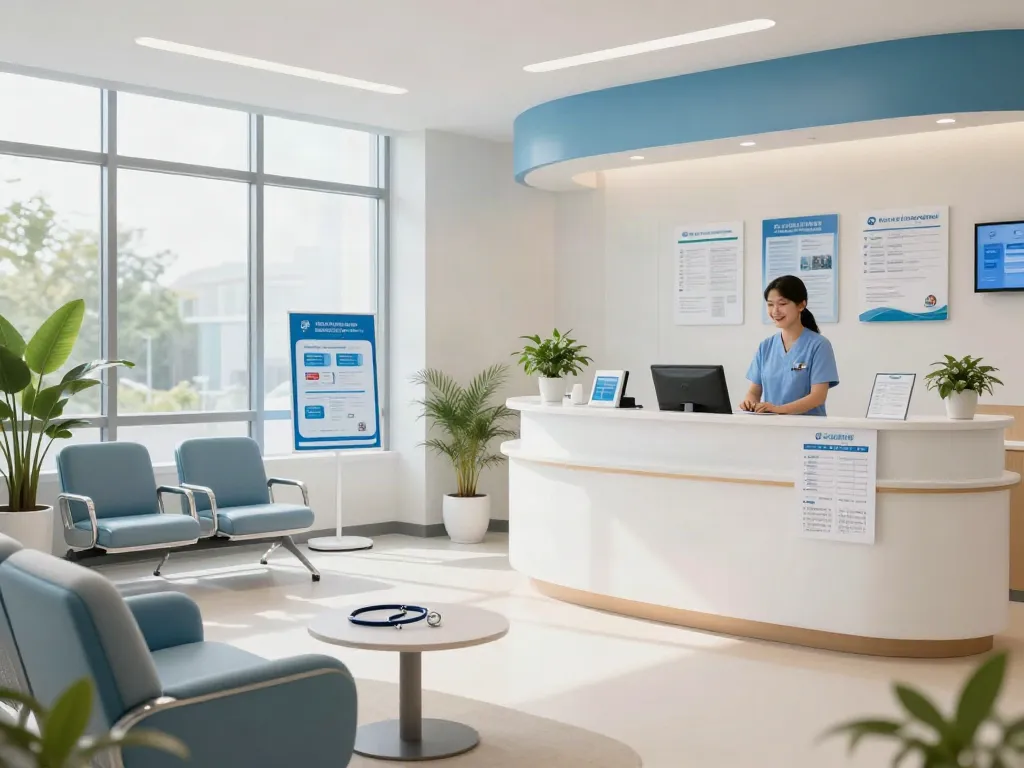
Understanding the Role of Internet in Modern Healthcare
As technology evolves, so does its impact on healthcare delivery and patient care. The internet has fundamentally transformed how patients interact with healthcare systems, access information, and manage their health. From online consultations to wearable health devices, these advancements provide greater accessibility and options for individuals seeking medical support. When exploring options, toto slot provides comprehensive insights into the various approaches being integrated into modern healthcare.
Impact of Digital Evolution on Patient Care
The digital age has introduced numerous tools that enhance patient engagement and improve clinical outcomes. Patients can access their medical records online, schedule appointments digitally, and communicate with healthcare providers via secure messaging applications. This shift allows for timely interventions and promotes active participation in one’s health management. Research suggests that such digital interactions foster a sense of trust and satisfaction among patients, leading to better adherence to treatment protocols.
Telemedicine: Innovations in Patient-Provider Engagement
Telemedicine has emerged as a crucial component of modern healthcare, particularly in light of the COVID-19 pandemic. It allows patients to consult with healthcare providers from the comfort of their homes, saving time and reducing the risks associated with in-person visits. By utilizing video conferencing and remote monitoring technologies, providers can deliver high-quality care without geographical constraints. Studies indicate that patient satisfaction levels in telemedicine are comparable to traditional face-to-face visits, providing reassurance of its efficacy.
The Intersection of Technology and Patient Trust
Building patient trust in digital healthcare portals is vital for the successful implementation of technology in healthcare. Ensuring data privacy and compliance with regulations, such as HIPAA in the United States, fosters a secure environment for patients. Educational initiatives that inform patients about how their data will be used can further enhance trust. When patients feel confident in their interactions with digital platforms, they are more likely to engage fully with their healthcare providers.
Comprehensive Patient Care: What to Expect
Patients today have more tools and resources at their disposal than ever before. Understanding what to expect in comprehensive patient care can empower individuals to make informed choices. Comprehensive care emphasizes not only treatment but also preventive measures and personalized patient education, which are essential for long-term health outcomes.
Understanding Your Rights as a Patient
Being aware of your rights as a patient is the first step toward ensuring that you receive quality care. Patients have the right to informed consent, which means they should receive clear information about their diagnosis, treatment options, and potential risks involved. Moreover, individuals are entitled to access their medical records and seek second opinions when necessary. Knowing these rights can significantly improve the patient experience.
Navigating Health Insurance: Essential Tips
Navigating the complexities of health insurance can be daunting. Patients should familiarize themselves with their insurance plans, including coverage details, deductibles, and in-network providers. Additionally, proactive communication with insurance representatives can help clarify policies and prevent unexpected costs. Understanding the insurance landscape is crucial in receiving timely and appropriate care.
Preventive Health: The Importance of Regular Check-Ups
Regular check-ups are essential in a proactive healthcare approach. These visits allow healthcare providers to monitor potential health issues before they develop into serious conditions. Preventive measures, such as vaccinations, screenings, and lifestyle counseling, can significantly contribute to improved patient outcomes. Following the latest guidelines, patients should adhere to personalized preventive care schedules based on age, gender, and risk factors.
Embracing New Technologies: Enhancing Healthcare Efficiency
The incorporation of new technologies not only streamlines healthcare delivery but also enhances efficiency across various aspects of patient care. By integrating advanced technologies, healthcare facilities can optimize workflows and reduce wait times, translating to improved patient satisfaction.
Digital Health Tools and Their Benefits
Digital health tools, including mobile health applications and wearable devices, provide users with valuable insights into their health metrics. Patients can track vital signs, medication adherence, and lifestyle choices, empowering them to participate actively in their health management. These tools can offer reminders for appointments and medication, ensuring adherence to prescribed treatment protocols.
The Role of AI in Disease Diagnosis
Artificial intelligence (AI) is revolutionizing the diagnostic process in healthcare. AI algorithms analyze vast amounts of patient data and can identify patterns that may not be immediately apparent to human providers. This technology aids in early diagnosis and personalized treatment plans, significantly impacting patient health trajectories. As AI continues to evolve, its role in clinical decision-making will likely expand, presenting new opportunities for enhancing patient care.
Data Privacy and Security in Healthcare Platforms
With advancements in technology come the responsibilities of safeguarding sensitive patient data. Healthcare providers must implement robust cybersecurity measures to protect patient information. Patients should be informed about the privacy policies of their healthcare platforms and feel secure in knowing that their data is being handled ethically and transparently. Continuous training and awareness programs for healthcare staff can contribute to a culture of security and trust.
Mental Health Awareness: Modern Challenges and Treatment Options
Mental health is an integral facet of overall wellness, and recognizing its significance has become increasingly prevalent in contemporary society. Open discussions do not only reduce stigma but also promote understanding around mental health issues, allowing patients to seek help without hesitation.
Recognizing Signs of Mental Health Issues
Being able to identify the signs of mental health issues is crucial for timely intervention. Symptoms may include persistent sadness, overwhelming anxiety, or sudden changes in mood and behavior. Training programs in schools and workplaces can help educate individuals on the indicators of mental health struggles, encouraging early identification and proactive support for those in need.
Accessing Support: Mental Health Resources Available
Numerous resources are available for individuals facing mental health challenges. Support can come from various sources, including trained professionals, peer groups, and community programs. Technology also plays a role in accessibility; individuals can engage in online therapy sessions or access mental health apps that offer coping strategies and relaxation techniques.
Innovative Therapies for Mental Well-Being
In addition to traditional therapeutic methods, innovative approaches to mental health treatment are gaining traction. Techniques such as mindfulness-based cognitive therapy, art therapy, and virtual reality exposure can enhance traditional therapies and cater to different patient preferences. The future of mental health treatment will likely see a blend of traditional and cutting-edge interventions that foster holistic healing.
Advancements in Pediatric and Geriatric Care
Caring for different age groups comes with unique challenges and requires tailored approaches to meet their specific health needs. Pediatric and geriatric care is advancing significantly to provide quality, age-appropriate medical attention.
Importance of Tailored Healthcare for Children
Pediatric healthcare focuses on the developmental needs of children, acknowledging that their physiological and psychological requirements differ from adults. Regular monitoring of growth milestones and preventive vaccinations are critical components of pediatric care, ensuring children are healthy and thriving. Family involvement in care decisions is encouraged to foster a supportive environment for children’s health.
Understanding Geriatric Health Needs
As individuals age, their health needs evolve, necessitating specialized care for geriatric populations. Common concerns in elderly patients include chronic disease management, cognitive decline, and mobility issues. A patient-centered approach that involves comprehensive assessments and interdisciplinary collaboration ensures that geriatric patients receive optimal care that respects their dignity and enhances their quality of life.
Kid-Friendly Clinics: Making Health Visits Easier
Creating a child-friendly environment in clinics can significantly influence a child's experience during medical visits. Strategies such as using child-friendly language, employing playful decor, and training staff to handle pediatric patients with sensitivity can reduce anxiety and make healthcare visits more pleasant for young patients. This also promotes positive associations with healthcare, encouraging children to maintain regular check-ups as they grow.